
How to Build Healthy Eating Habits That Support Your Fitness Progress
Understanding Healthy Eating and Its Role in Fitness Progress Healthy eating is the cornerstone of achieving and maintaining fitness progress. It goes beyond simply choosing “good” or “bad” foods; it’s about cultivating sustainable nutrition habits that fuel your body efficiently and support your overall well-being.

Understanding Healthy Eating and Its Role in Fitness Progress
Healthy eating is the cornerstone of achieving and maintaining fitness progress. It goes beyond simply choosing “good” or “bad” foods; it’s about cultivating sustainable nutrition habits that fuel your body efficiently and support your overall well-being. When you adopt healthy eating practices, you provide your body with the essential nutrients it needs to build muscle, recover from workouts, and maintain energy levels throughout the day.
At its core, healthy eating involves consuming a balanced diet—one that includes a variety of whole foods such as lean proteins, complex carbohydrates, healthy fats, and plenty of fruits and vegetables. These components work synergistically to optimize your metabolism, enhance muscle repair, and regulate hormones that influence appetite and energy expenditure.
Understanding the role of nutrition in fitness progress means recognizing that what you eat directly impacts how your body responds to exercise. For example, adequate protein intake supports muscle growth, while complex carbs provide the sustained energy needed for intense workouts. Conversely, poor nutrition habits can hinder recovery, lead to fatigue, and stall your fitness goals.
To build effective nutrition habits, consider incorporating these balanced diet tips:
- Prioritize whole, minimally processed foods over packaged options
- Monitor portion sizes to avoid overeating
- Stay hydrated to support metabolic functions
- Plan meals and snacks around your workout schedule for optimal energy
By embracing healthy eating as a fundamental part of your fitness journey, you set yourself up for consistent progress and long-term success. Leveraging technology, such as nutrition tracking apps, can further simplify this process by helping you monitor your intake and stay aligned with your goals.

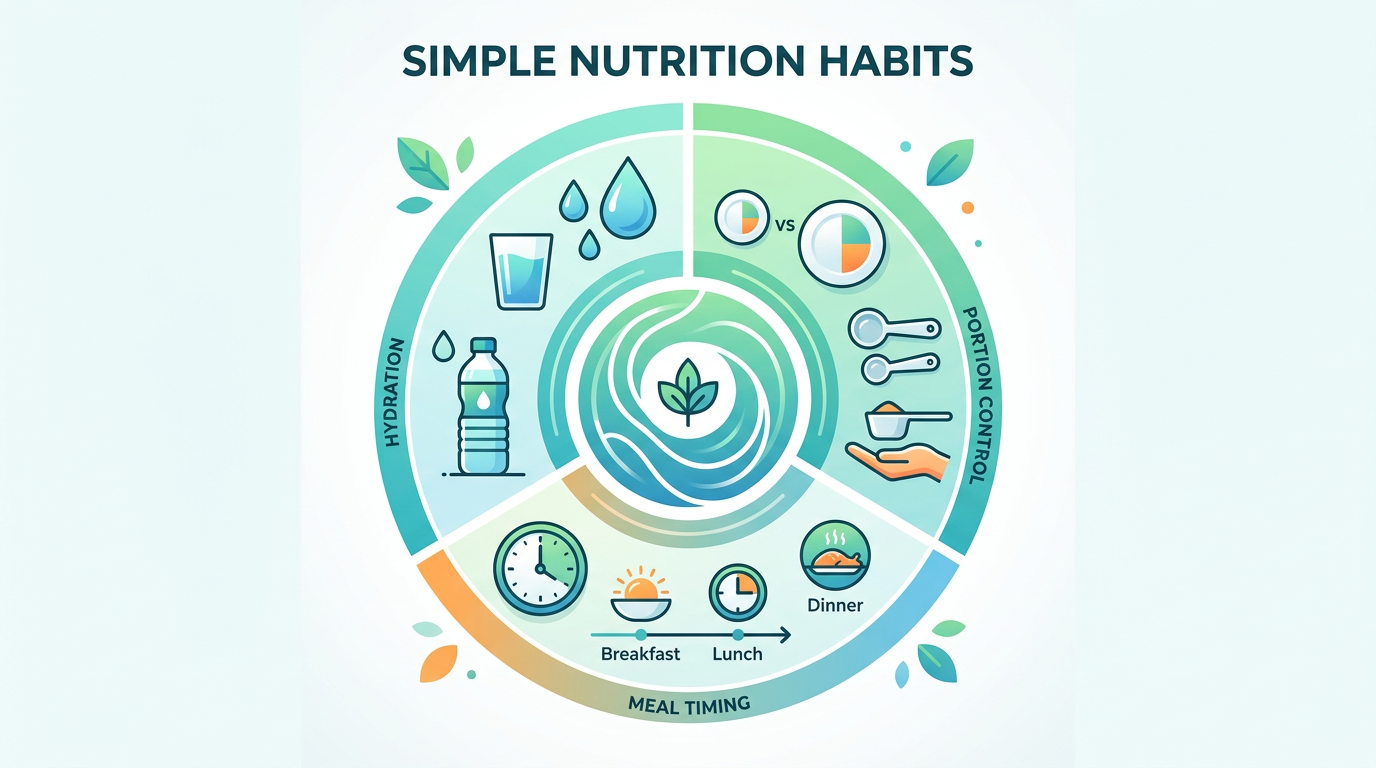
Simple Nutrition Habits to Support Your Fitness Goals
Building simple, sustainable nutrition habits is key to supporting your fitness progress without feeling overwhelmed. Here are some practical healthy eating strategies that can seamlessly fit into your daily routine:
-
Prioritize Whole Foods: Focus on incorporating more whole, minimally processed foods like fruits, vegetables, lean proteins, whole grains, and healthy fats. These nutrient-dense options provide the vitamins and minerals your body needs to perform and recover effectively.
-
Plan Balanced Meals: Aim to include a mix of macronutrients in every meal—carbohydrates for energy, protein for muscle repair, and fats for hormone regulation. Balanced diet tips like pairing grilled chicken with quinoa and steamed veggies can keep you satiated and energized.
-
Stay Hydrated: Water plays a crucial role in metabolism and muscle function. Drinking enough fluids throughout the day supports digestion and helps maintain optimal performance during workouts.
-
Mindful Portion Control: Instead of strict calorie counting, practice mindful eating by tuning into your hunger and fullness cues. This approach helps prevent overeating and fosters a healthier relationship with food.
-
Use Technology to Track Progress: Leverage nutrition apps or fitness trackers to monitor your food intake and activity levels. These tools can provide valuable insights, making it easier to adjust your habits and stay motivated.
By integrating these simple nutrition habits into your lifestyle, you create a strong foundation for sustained fitness progress. Remember, consistency is more important than perfection—small, positive changes add up over time.
How to Create a Balanced Diet That Fuels Your Workouts
Creating a balanced diet that effectively fuels your workouts is essential for maximizing fitness progress and maintaining overall health. A well-rounded nutritional approach ensures your body receives the right mix of macronutrients—carbohydrates, proteins, and fats—along with vital micronutrients to support energy production, muscle recovery, and endurance.
Start with Macronutrient Balance:
- Carbohydrates: They are the primary energy source for your workouts. Focus on complex carbs like whole grains, fruits, and vegetables that provide sustained energy without blood sugar spikes.
- Proteins: Crucial for muscle repair and growth, include lean proteins such as chicken, fish, tofu, legumes, and dairy. Aim for a moderate intake spread throughout the day to optimize recovery.
- Fats: Healthy fats from sources like avocados, nuts, seeds, and olive oil support hormone production and joint health, which are vital for consistent training.
Incorporate Micronutrients:
Vitamins and minerals play a significant role in energy metabolism and immune function. Eating a colorful variety of fruits and vegetables ensures you get antioxidants and essential nutrients to keep your body resilient.
Balanced Diet Tips for Consistency:
- Plan meals around whole, minimally processed foods to maximize nutrient density.
- Use portion control to avoid overeating, especially on rest days.
- Stay hydrated, as water is crucial for nutrient transport and muscle function.
- Leverage tech tools like nutrition tracking apps to monitor your intake and adjust based on your fitness goals.
By integrating these balanced diet tips into your nutrition habits, you’ll create a sustainable eating pattern that not only supports your workouts but also enhances your overall fitness progress.
Using Technology to Track and Improve Your Nutrition Habits
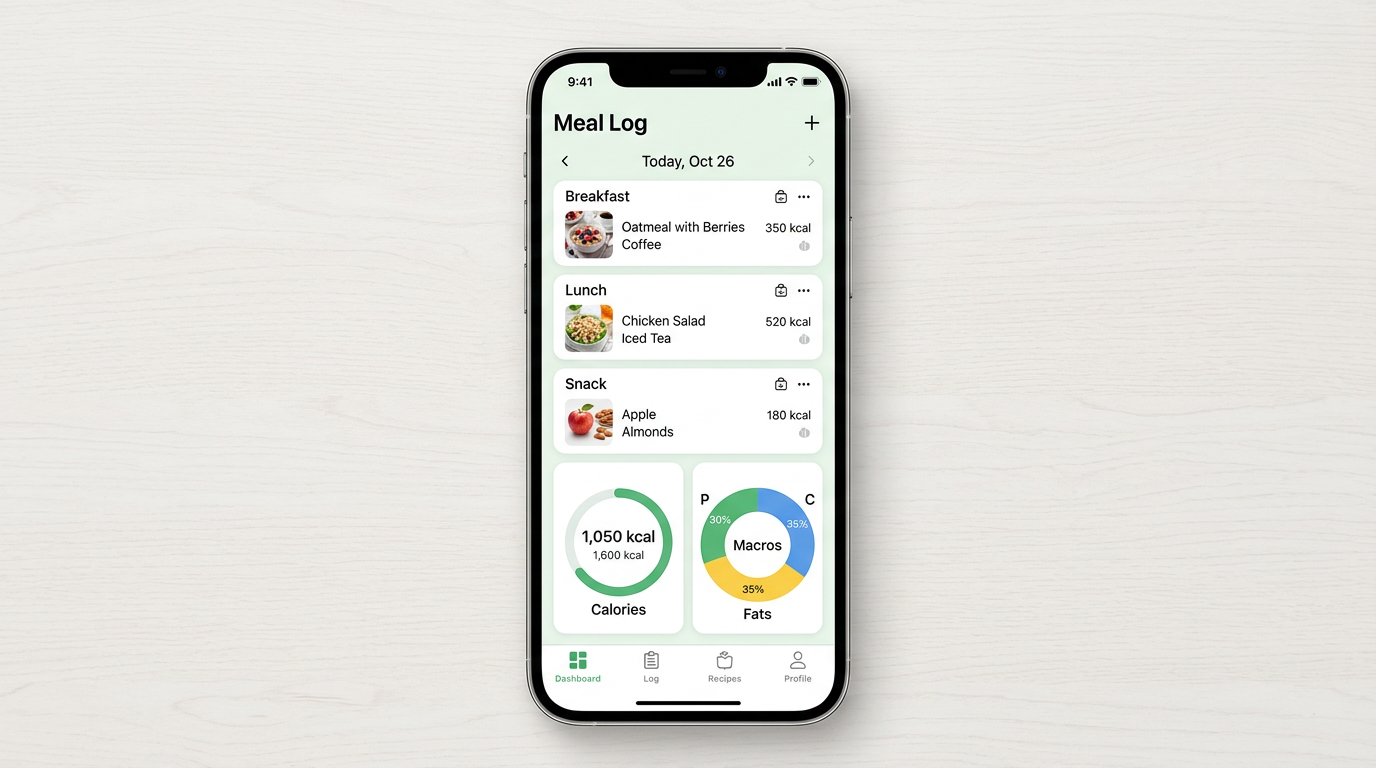
In today’s digital age, leveraging technology to track and improve your nutrition habits can be a game-changer for maintaining healthy eating and accelerating your fitness progress. Numerous apps and devices are designed to simplify the process of monitoring your food intake, helping you stay accountable and make informed decisions about your diet.
Nutrition tracking apps such as MyFitnessPal, Lose It!, and Cronometer allow you to log meals effortlessly, providing detailed insights into your calorie consumption and nutrient breakdown. These tools help you visualize whether you’re meeting your macronutrient targets—carbohydrates, proteins, and fats—crucial for sustaining energy and muscle recovery. By regularly reviewing your data, you can identify patterns and adjust your eating habits to better align with your fitness goals.
Wearable devices like Fitbit and Garmin also integrate nutrition tracking with physical activity monitoring, offering a comprehensive view of your energy balance. This synergy helps you understand how your food choices impact your workouts and recovery, empowering you to optimize both diet and exercise routines.
To make the most of these technologies, consider the following balanced diet tips:
- Set realistic nutrition goals within your chosen app to maintain motivation.
- Use barcode scanners to quickly log packaged foods, reducing manual entry errors.
- Review weekly summaries to track progress and identify areas for improvement.
- Combine tech tracking with mindful eating to develop a deeper connection with your body’s hunger and fullness cues.
By incorporating technology into your nutrition habits, you create a structured, data-driven foundation that supports sustainable healthy eating and enhances your overall fitness progress.
Step-by-Step Guide to Building Sustainable Healthy Eating Habits
Building sustainable healthy eating habits is a transformative journey that supports your fitness progress and overall well-being. Here’s a practical, step-by-step guide to help you establish nutrition habits that last:
-
Assess Your Current Eating Patterns
Begin by tracking your meals and snacks for a few days using a nutrition app or journal. This insight helps identify areas for improvement, such as nutrient gaps or excessive processed foods. -
Set Realistic, Specific Goals
Instead of vague resolutions like “eat healthier,” define clear objectives such as “include a serving of vegetables in every meal” or “limit added sugars to one treat per day.” Specific goals increase your chances of success. -
Prioritize Whole, Nutrient-Dense Foods
Focus on incorporating a variety of fruits, vegetables, lean proteins, whole grains, and healthy fats. These foods provide essential vitamins and minerals that fuel workouts and aid recovery. -
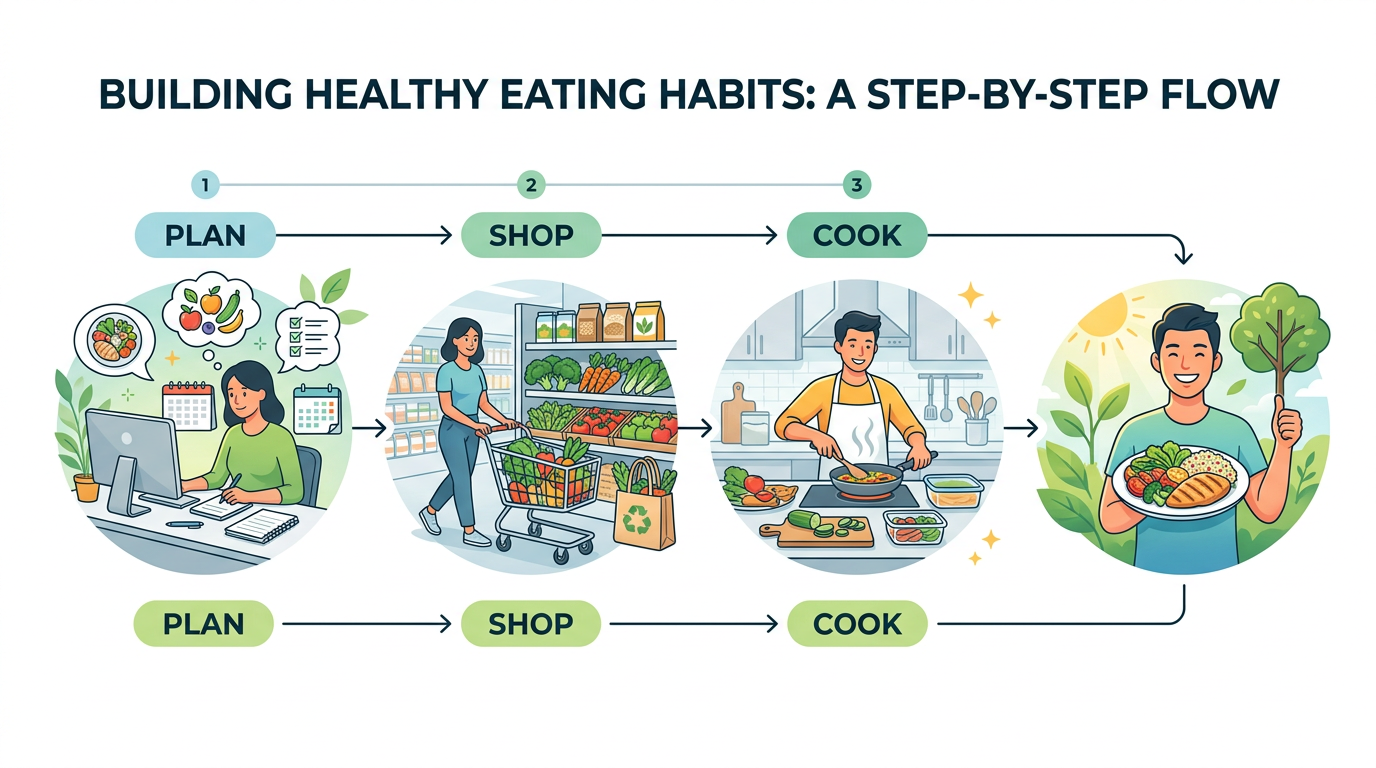
Plan and Prepare Meals Ahead
Meal prepping reduces reliance on convenience foods and helps maintain a balanced diet. Set aside time weekly to prepare meals or ingredients, making healthy choices more accessible. -
Practice Mindful Eating
Pay attention to hunger and fullness cues, eat without distractions, and savor each bite. Mindful eating fosters a healthier relationship with food and prevents overeating. -
Leverage Technology for Consistency
Utilize apps that track your nutrition and fitness progress, offering personalized feedback and reminders. This tech-enabled approach keeps you accountable and motivated. -
Be Patient and Flexible
Sustainable habits develop over time. Celebrate small victories, adapt when needed, and avoid perfectionism to maintain long-term success.
By following these steps, you’ll create a balanced diet and nutrition habits that not only support your fitness progress but also enhance your overall quality of life.
Incorporating Photo and Audio Meal Logging for Easy Tracking
Incorporating photo and audio meal logging into your daily routine offers a simple yet powerful way to enhance your healthy eating and support your fitness progress. Unlike traditional food journaling, which can be time-consuming and prone to inaccuracies, using visual and audio records makes tracking your nutrition habits more engaging and effortless.
Why Choose Photo and Audio Meal Logging?
- Visual Accuracy: Taking photos of your meals provides a clear, immediate snapshot of portion sizes, food variety, and meal composition. This helps you stay accountable to balanced diet tips by visually assessing whether your plate aligns with your nutritional goals.
- Convenience: Speaking a quick audio note about your meal allows you to capture details like ingredients, cooking methods, or feelings of fullness without interrupting your day. This is especially useful for busy individuals who want to maintain healthy eating without extra hassle.
- Enhanced Awareness: Reviewing your meal photos and audio logs over time can reveal patterns—such as frequent snacking or insufficient vegetable intake—that might otherwise go unnoticed. This insight empowers you to make informed adjustments that promote sustained fitness progress.
How to Get Started
- Choose a user-friendly app that supports photo and audio meal logging.
- Snap a picture of every meal and snack before eating.
- Record a brief audio note describing the meal or your hunger level.
- Review your logs weekly to identify trends and areas for improvement.
By integrating photo and audio meal logging into your nutrition habits, you create a dynamic, tech-enabled system that simplifies healthy eating and keeps you on track toward your fitness goals.
Benefits of Integrating Fitness and Nutrition Tracking for Better Results
Integrating fitness and nutrition tracking creates a synergistic approach that can significantly enhance your healthy eating efforts and accelerate your fitness progress. By monitoring both aspects simultaneously, you gain a comprehensive understanding of how your diet affects your workouts and overall physical performance.
One of the primary benefits is personalized feedback. When you track your nutrition habits alongside your exercise routines, you can identify patterns—such as how certain foods impact your energy levels or recovery times. This insight allows you to tailor your balanced diet tips to better support your specific fitness goals, whether that’s building muscle, losing fat, or improving endurance.
Additionally, combining these two tracking methods promotes accountability and motivation. Seeing your progress in real-time, from calorie intake to workout intensity, encourages consistency and helps you stay committed to your healthy eating plan. It also reduces guesswork, making it easier to adjust your meals and workouts based on data rather than assumptions.
Moreover, integrating fitness and nutrition tracking simplifies meal planning and exercise scheduling, saving time and reducing stress. Many apps now offer features like automated nutrient analysis, workout logging, and progress charts, enabling you to make informed decisions quickly.
In summary, the fusion of fitness and nutrition tracking empowers you to optimize your healthy eating and exercise routines, leading to more effective and sustainable fitness progress. Embracing this holistic approach is a smart step toward achieving lasting wellness and vitality.
Real User Success Stories: How Healthy Eating Boosted Fitness Progress
Real user success stories vividly illustrate how adopting healthy eating habits can dramatically boost fitness progress. Many individuals have transformed their health journeys by embracing balanced diet tips and consistent nutrition habits, proving that sustainable changes lead to lasting results.
Take Sarah, for example, a busy professional who struggled to maintain energy levels during workouts. By incorporating a balanced diet rich in whole foods and using photo meal logging to track her intake, she noticed a significant improvement in endurance and muscle recovery within weeks. Her commitment to healthy eating not only enhanced her physical performance but also improved her mental clarity and mood.
Similarly, James, an avid runner, found that integrating audio meal logging helped him stay accountable without the hassle of traditional journaling. This tech-enabled approach allowed him to effortlessly monitor his nutrition habits, ensuring he fueled his body adequately before and after runs. As a result, James experienced faster recovery times and sustained energy, accelerating his fitness progress.
These stories underscore the power of combining practical balanced diet tips with innovative tracking methods. Whether it’s prioritizing nutrient-dense meals, staying hydrated, or leveraging technology for easy monitoring, real users consistently report better workout outcomes, increased motivation, and a deeper connection to their health goals.
By learning from these success stories, you can feel inspired to adopt healthy eating strategies that not only support but actively enhance your fitness journey. Embracing nutrition habits tailored to your lifestyle is key to unlocking your full potential.

People Also Ask: How Can I Build Healthy Eating Habits That Support Fitness?
Building healthy eating habits that support your fitness progress involves a combination of mindful choices, consistent routines, and practical strategies tailored to your lifestyle. Here are some effective ways to cultivate nutrition habits that align with your fitness goals:
1. Prioritize a Balanced Diet:
Focus on incorporating a variety of nutrient-dense foods such as lean proteins, whole grains, healthy fats, and plenty of fruits and vegetables. This balance ensures your body receives essential vitamins and minerals to fuel workouts and aid recovery.
2. Plan and Prepare Meals Ahead:
Meal planning helps prevent impulsive, less nutritious choices. Preparing meals in advance allows you to control portions and ingredients, making it easier to stick to your healthy eating goals.
3. Use Technology to Track Progress:
Leverage apps that integrate photo and audio meal logging alongside fitness tracking. This tech-enabled approach simplifies monitoring your nutrition habits and fitness progress, providing valuable insights to adjust your diet effectively.
4. Listen to Your Body’s Hunger and Fullness Cues:
Avoid overeating by tuning into natural hunger signals. Eating mindfully supports better digestion and helps maintain energy levels throughout the day.
5. Stay Hydrated:
Water plays a crucial role in metabolism and muscle function. Drinking adequate fluids supports overall health and complements your balanced diet.
By consistently applying these balanced diet tips and embracing a holistic approach to nutrition, you can create sustainable healthy eating habits that significantly enhance your fitness progress. Remember, small, intentional changes often lead to the most lasting results.
Tips for Staying Motivated and Consistent with Your Nutrition Habits
Staying motivated and consistent with your nutrition habits is key to sustaining a balanced diet that supports your fitness progress. Here are some effective strategies to help you maintain momentum on your healthy eating journey:
1. Set Realistic and Specific Goals
Rather than vague resolutions, define clear, achievable nutrition goals. For example, aim to include a serving of vegetables in every meal or reduce processed sugar intake gradually. Specific goals provide direction and make progress measurable.
2. Leverage Technology for Accountability
Use nutrition tracking apps or wearable devices that sync your food intake with your fitness activities. These tools offer real-time feedback, helping you stay aware of your calorie and nutrient consumption, which reinforces healthy eating patterns.
3. Plan and Prep Meals Ahead
Meal planning reduces impulsive food choices that can derail your balanced diet. Dedicate time each week to prepare meals or ingredients, ensuring you always have nutritious options available, even on busy days.
4. Celebrate Small Wins
Recognize and reward yourself for sticking to your nutrition habits, such as trying a new healthy recipe or hitting your hydration goals. Positive reinforcement boosts motivation and makes the process enjoyable.
5. Build a Support System
Surround yourself with friends, family, or online communities who share your commitment to healthy eating and fitness progress. Sharing experiences and challenges fosters accountability and encouragement.
By integrating these tips into your routine, you can cultivate lasting nutrition habits that consistently fuel your fitness goals and overall well-being.
More articles
Additional reading from the same editorial archive.

April 07, 2026

April 04, 2026

April 04, 2026