
Best Practices for Monitoring Hydration Daily to Boost Wellness
Understanding Daily Hydration and Its Impact on Wellness Maintaining optimal hydration is a cornerstone of overall wellness , influencing everything from energy levels to cognitive function. Understanding daily hydration involves recognizing how much water your body needs and the best ways to monitor and maintain that

Understanding Daily Hydration and Its Impact on Wellness
Maintaining optimal hydration is a cornerstone of overall wellness, influencing everything from energy levels to cognitive function. Understanding daily hydration involves recognizing how much water your body needs and the best ways to monitor and maintain that balance consistently. Hydration tracking is an essential tool in this process, allowing health-conscious individuals to stay aware of their fluid intake and make informed adjustments throughout the day.
Daily hydration needs vary based on factors such as age, activity level, climate, and individual health conditions. However, the general guideline of drinking around eight 8-ounce glasses of water a day—often called the “8x8 rule”—serves as a helpful starting point. Beyond just quantity, hydration best practices emphasize the timing and quality of fluids consumed, encouraging regular intake rather than large amounts at once to support steady bodily functions.
Integrating hydration tracking into your wellness routine can be as simple as using smartphone apps, smart water bottles, or wearable devices that remind you to drink and log your intake automatically. These tech-enabled solutions help create awareness and accountability, making it easier to meet your hydration goals. By prioritizing daily hydration and employing effective tracking methods, you can significantly enhance your physical performance, mental clarity, and overall health.
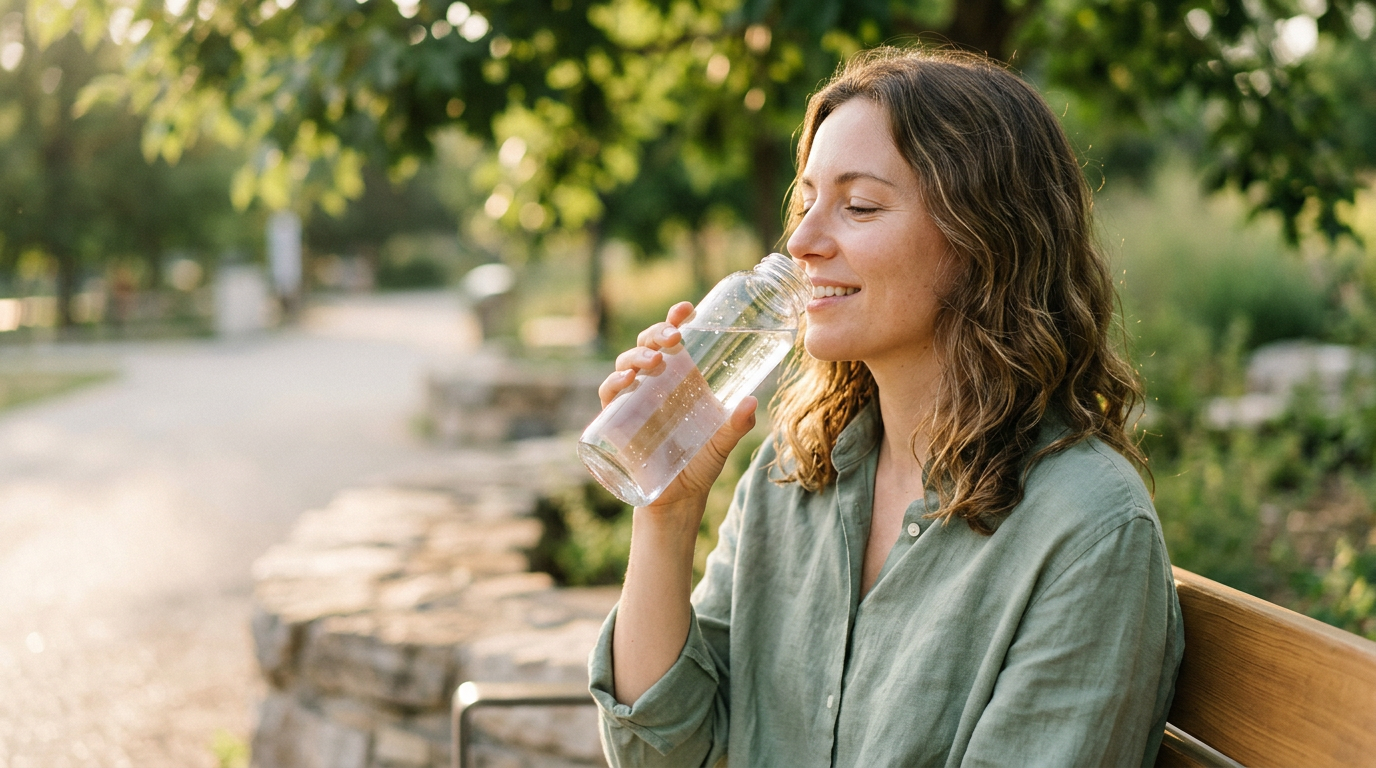
Top Hydration Best Practices for Effective Daily Tracking
Achieving consistent and effective hydration tracking is essential for enhancing overall wellness. To make daily hydration a seamless part of your routine, consider these top hydration best practices:
- Set a Personalized Hydration Goal: Tailor your daily water intake based on factors such as age, weight, activity level, and climate. Personalized goals ensure your hydration tracking is relevant and achievable.
- Use Technology for Accurate Monitoring: Leverage hydration tracking apps or smart water bottles that remind you to drink and log your intake automatically. These tools simplify daily hydration management and provide insightful progress reports.
- Establish Routine Drinking Habits: Incorporate water consumption into daily activities—drink a glass upon waking, before meals, and during breaks. Consistency helps maintain hydration without having to consciously track every sip.
- Track More Than Water: Include hydrating foods like fruits and vegetables in your daily hydration log. This holistic approach offers a more accurate picture of your total fluid intake.
- Listen to Your Body: Pay attention to thirst cues, urine color, and energy levels. While technology aids tracking, tuning into your body's signals is a critical hydration best practice.
By integrating these strategies into your daily routine, you can optimize hydration tracking, support your wellness goals, and maintain balanced fluid levels effortlessly.
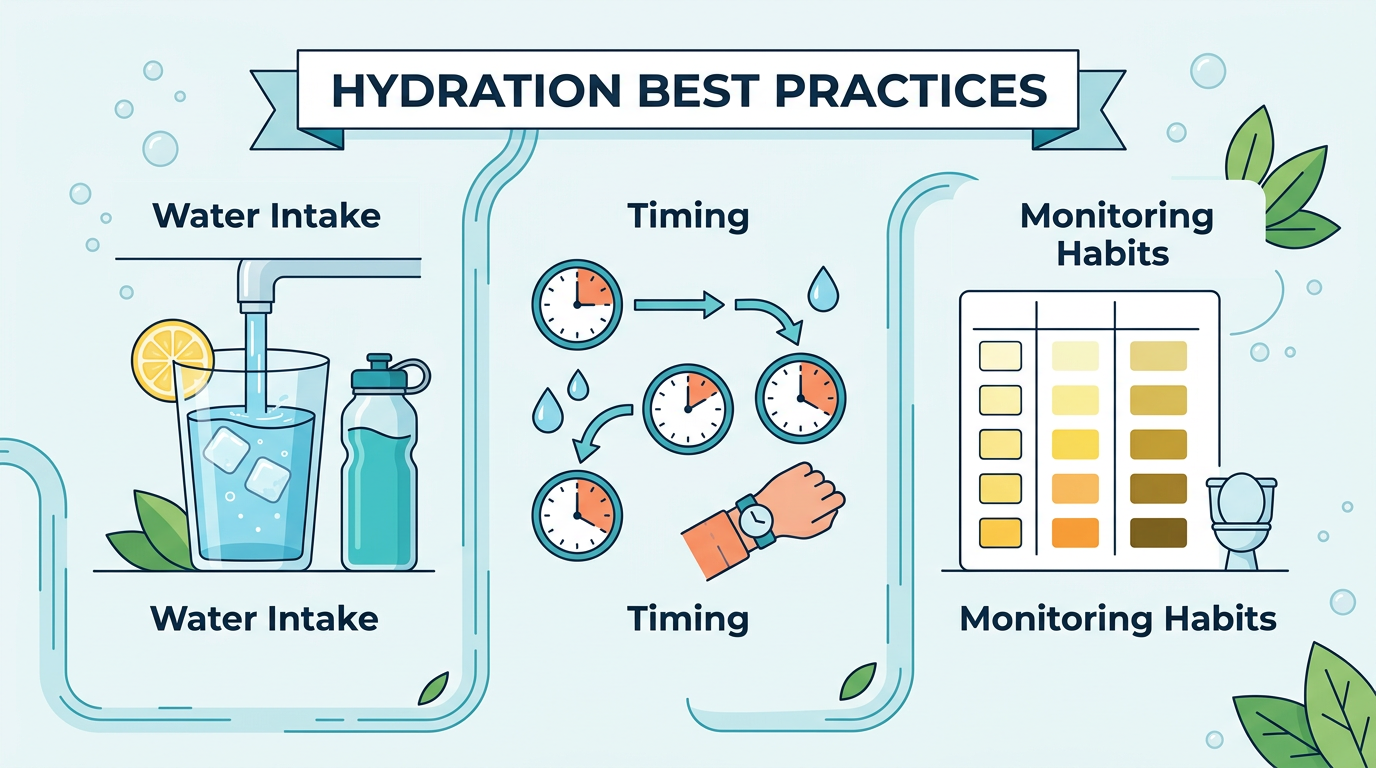
How to Calculate Your Daily Water Intake Needs
Calculating your daily water intake needs is a fundamental step in effective hydration tracking and boosting overall wellness. While general guidelines often suggest drinking eight 8-ounce glasses of water a day, individual hydration requirements vary based on several factors. To personalize your daily hydration goals, consider the following approach:
- Body Weight Method: A common formula recommends drinking half an ounce to an ounce of water per pound of body weight. For example, if you weigh 150 pounds, aim for 75 to 150 ounces (about 2.2 to 4.4 liters) of water daily. This range accommodates varying activity levels and environmental conditions.
- Activity Level Adjustment: Increase your intake by approximately 12 ounces (about 350 ml) for every 30 minutes of moderate exercise, as physical activity causes additional fluid loss through sweat.
- Environmental Factors: Hot or humid climates can increase sweat loss, necessitating higher water consumption. Similarly, higher altitudes may require more hydration.
- Health Status and Lifestyle: Illness, pregnancy, breastfeeding, and certain medications can affect hydration needs.
Incorporating these variables into your hydration tracking routine ensures your daily hydration aligns with your unique wellness profile. Using hydration best practices like setting personalized water goals in apps or smart water bottles can simplify this process, making it easier to monitor and maintain optimal hydration throughout the day. This tailored approach not only supports physical health but also enhances cognitive function and energy levels, key components of holistic wellness.
Choosing the Right Tools for Hydration Tracking
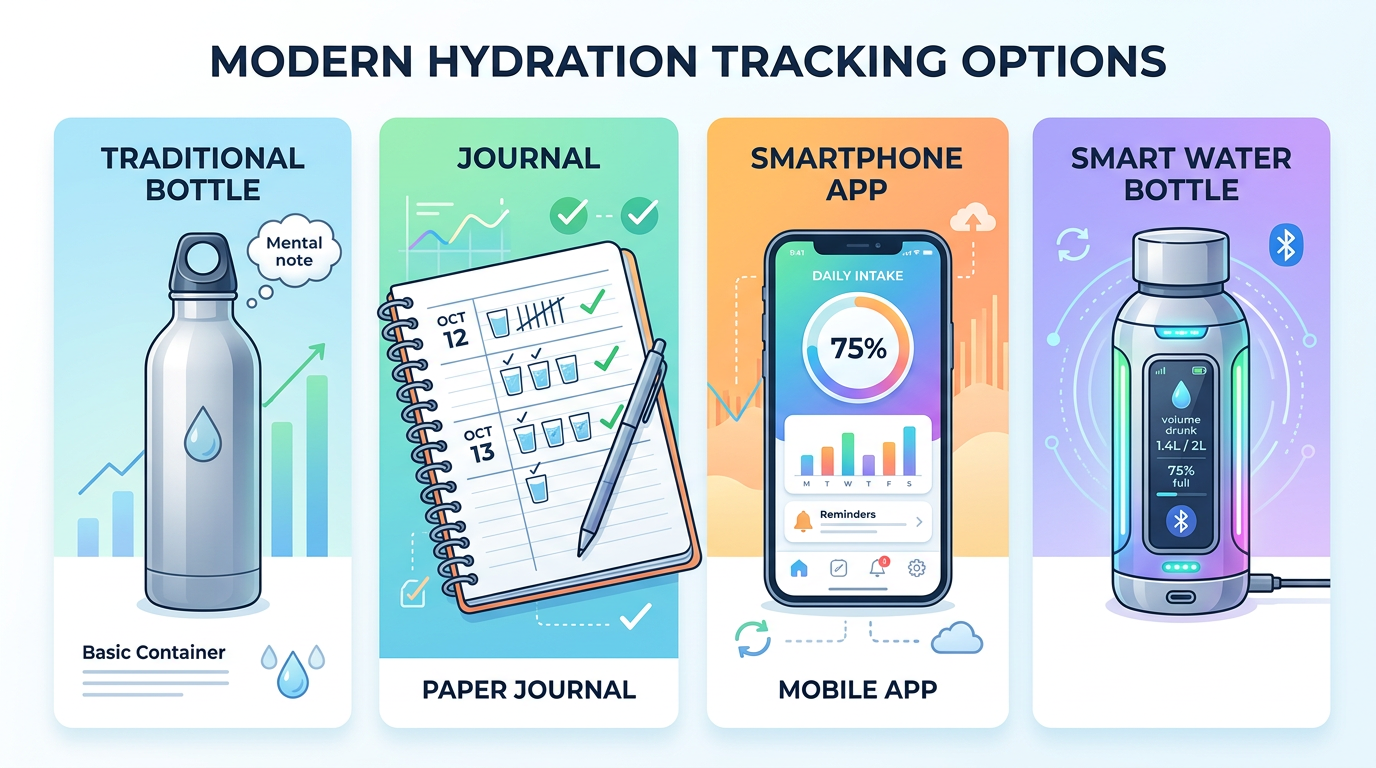
Selecting the right tools for hydration tracking can significantly simplify the process of maintaining optimal daily hydration and enhance your overall wellness journey. With a variety of options available, choosing a method that fits your lifestyle and preferences is key to sustaining consistent hydration habits.
Smart Water Bottles: These innovative bottles come equipped with sensors that monitor your water intake throughout the day. Many sync with smartphone apps to provide real-time reminders and personalized hydration goals, making it easier to stay on track without manual logging.
Mobile Apps: Dedicated hydration tracking apps offer flexibility and customization. They allow you to log your water consumption, set reminders, and analyze hydration patterns over time. Popular apps often integrate with broader fitness and nutrition platforms, providing a holistic view of your wellness.
Wearable Devices: Some fitness trackers and smartwatches now include hydration tracking features or can be paired with hydration apps. These devices offer convenience by combining hydration monitoring with other health metrics such as activity levels and sleep quality.
Traditional Methods: For those who prefer simplicity, using a marked water bottle or journaling your intake can be effective. While less tech-driven, these methods encourage mindfulness about hydration habits.
When choosing your hydration tracking tools, consider factors like ease of use, integration with your existing wellness routine, and the level of detail you desire. Employing the right tools aligned with hydration best practices empowers you to maintain consistent daily hydration, ultimately supporting your wellness goals.
Incorporating Technology to Simplify Hydration Tracking
Incorporating technology into your hydration tracking routine can transform a simple wellness habit into an engaging and highly effective practice. Modern tools and apps are designed to simplify daily hydration monitoring, making it easier than ever to stay on top of your water intake and maintain optimal hydration levels.
Smart hydration apps allow you to set personalized daily hydration goals based on factors like age, weight, activity level, and climate. These apps send timely reminders throughout the day, helping you avoid dehydration by prompting consistent water consumption. Many also offer integration with fitness trackers and smartwatches, providing a holistic view of your wellness by correlating hydration data with physical activity and sleep patterns.
Additionally, smart water bottles equipped with sensors can track your intake in real-time, syncing data directly to your smartphone. This hands-free approach to hydration tracking eliminates guesswork and encourages accountability. Some models even feature LED indicators or gentle vibrations to remind you to drink, ensuring hydration becomes a natural part of your daily routine.
By leveraging technology, you not only streamline the process of daily hydration tracking but also gain valuable insights into your habits. This empowers you to make informed adjustments, ultimately supporting sustained wellness and improved overall health. Embracing these hydration best practices through tech tools can be a game-changer in achieving your hydration goals effortlessly.
Using Apps and Smart Devices for Daily Hydration Monitoring
Incorporating apps and smart devices into your hydration tracking routine offers a seamless and efficient way to maintain daily hydration and support overall wellness. These technologies provide real-time feedback, personalized reminders, and insightful data analytics, making hydration best practices easier to follow consistently.
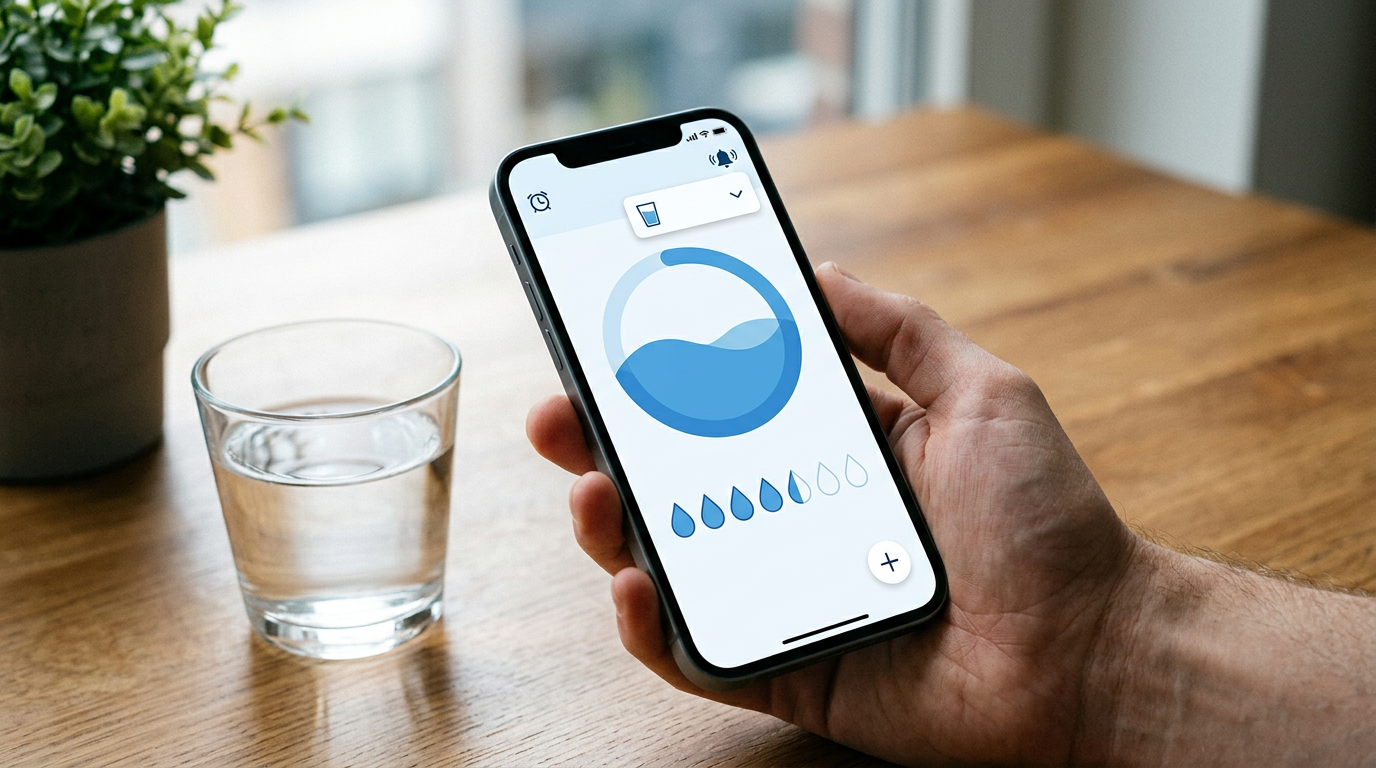
Many hydration tracking apps allow you to log your water intake effortlessly throughout the day. They often come with customizable goals based on your age, weight, activity level, and climate, ensuring your daily hydration targets are tailored to your unique needs. Additionally, these apps can send timely notifications to remind you to drink water, helping you avoid dehydration during busy or sedentary periods.
Smart water bottles take hydration tracking a step further by automatically measuring your intake and syncing the data with your smartphone or fitness tracker. This automation eliminates manual logging, enabling you to focus more on your wellness routine without interruption. Some smart bottles even analyze your hydration patterns and suggest adjustments to optimize your fluid consumption.
By integrating apps and smart devices into your daily hydration habits, you gain a comprehensive overview of your fluid intake trends, empowering you to make informed decisions that enhance your health. Embracing these hydration best practices with technology not only boosts your wellness but also fosters a sustainable, mindful approach to staying hydrated every day.
Common Challenges in Hydration Tracking and How to Overcome Them
Despite the clear benefits of hydration tracking, many individuals encounter common challenges that can hinder consistent daily hydration and overall wellness progress. Recognizing these obstacles and implementing practical solutions is essential for maintaining effective hydration best practices.
1. Forgetting to Drink Water Regularly
One of the most frequent issues is simply forgetting to drink water throughout the day. Busy schedules and distractions can make it easy to overlook hydration needs. To overcome this, leverage technology by setting reminders through hydration tracking apps or smart devices. These prompts serve as timely nudges, making it easier to build a consistent hydration habit.
2. Inaccurate Tracking or Underestimating Intake
Many people struggle with accurately measuring their water consumption, especially when using different containers or consuming fluids from various sources. Using smart water bottles or apps that allow manual input with customizable container sizes can improve accuracy, ensuring your hydration data reflects reality.
3. Lack of Motivation or Engagement
Sustaining motivation for daily hydration can be challenging, especially when results aren’t immediately visible. Gamifying hydration tracking—such as earning badges or setting personal goals within apps—can boost engagement and encourage adherence to hydration best practices.
4. Not Adjusting for Individual Needs
Hydration requirements vary based on factors like activity level, climate, and health status. Rigid tracking without flexibility can lead to under- or over-hydration. Choose tools that allow personalized settings and adjust your hydration goals accordingly to optimize wellness outcomes.
By proactively addressing these challenges with tailored strategies and technology, hydration tracking becomes a manageable and rewarding part of your daily wellness routine.

People Also Ask: How Can I Monitor My Hydration Daily?
Monitoring your hydration daily is a crucial step toward enhancing overall wellness, and fortunately, there are several effective methods to help you stay on track. Here are some practical hydration best practices to consider:
- Use Hydration Tracking Apps: Leveraging smartphone apps specifically designed for hydration tracking can simplify the process. These apps allow you to log water intake, set personalized goals based on your activity level and body weight, and send reminders throughout the day to encourage consistent hydration.
- Smart Water Bottles: Investing in a smart water bottle equipped with sensors can automatically track your water consumption and sync data with your smartphone. This hands-free approach removes guesswork and makes daily hydration monitoring effortless.
- Set Routine Reminders: Establishing regular intervals to drink water—such as every hour or before meals—can create a sustainable hydration habit. Use alarms or app notifications to maintain consistency, especially during busy days.
- Visual Cues and Journaling: For those who prefer a more manual approach, keeping a hydration journal or using marked water bottles with volume indicators can provide tangible feedback on your daily intake.
- Listen to Your Body: While technology aids in tracking, paying attention to thirst signals, urine color, and energy levels remains essential for maintaining optimal hydration.
By integrating these hydration best practices into your daily routine, you can effectively monitor your water intake, support your wellness goals, and foster healthier habits that last.
Advanced Hydration Best Practices for Enhanced Wellness
To elevate your hydration routine beyond the basics, adopting advanced hydration best practices can significantly enhance your wellness journey. While daily hydration tracking lays the foundation, integrating these strategies ensures optimal fluid balance and supports overall health.
1. Personalize Your Hydration Goals:
Hydration needs vary based on factors like age, activity level, climate, and health conditions. Use data from smart devices combined with lifestyle insights to tailor your daily hydration targets. Personalized goals improve adherence and effectiveness.
2. Leverage Real-Time Feedback:
Modern hydration tracking tools offer real-time alerts and reminders. Setting up customized notifications helps prevent dehydration before symptoms appear. This proactive approach maintains steady hydration levels throughout the day.
3. Monitor Hydration Quality, Not Just Quantity:
Focus on the type of fluids consumed. Incorporate electrolyte-rich beverages when engaging in intense exercise or during hot weather to replenish lost minerals. Tracking both water intake and electrolyte balance supports comprehensive wellness.
4. Integrate Hydration with Nutrition and Fitness Data:
Many apps allow syncing hydration data with nutrition and physical activity metrics. This holistic view helps identify patterns, such as increased fluid needs on workout days, enabling smarter adjustments.
5. Practice Mindful Drinking Habits:
Beyond tracking, cultivate awareness of thirst cues and bodily signals. Mindful hydration encourages drinking in response to genuine needs rather than habit or convenience, fostering better self-regulation.
By embracing these advanced hydration best practices, you can transform simple daily hydration tracking into a powerful wellness tool that adapts to your unique lifestyle and promotes sustained health benefits.
Comparing Manual vs. Tech-Enabled Hydration Tracking Methods
When it comes to hydration tracking, choosing the right method can significantly impact your ability to maintain consistent daily hydration and support your overall wellness goals. Both manual and tech-enabled hydration tracking methods offer unique advantages and potential drawbacks, making it essential to evaluate which approach aligns best with your lifestyle.
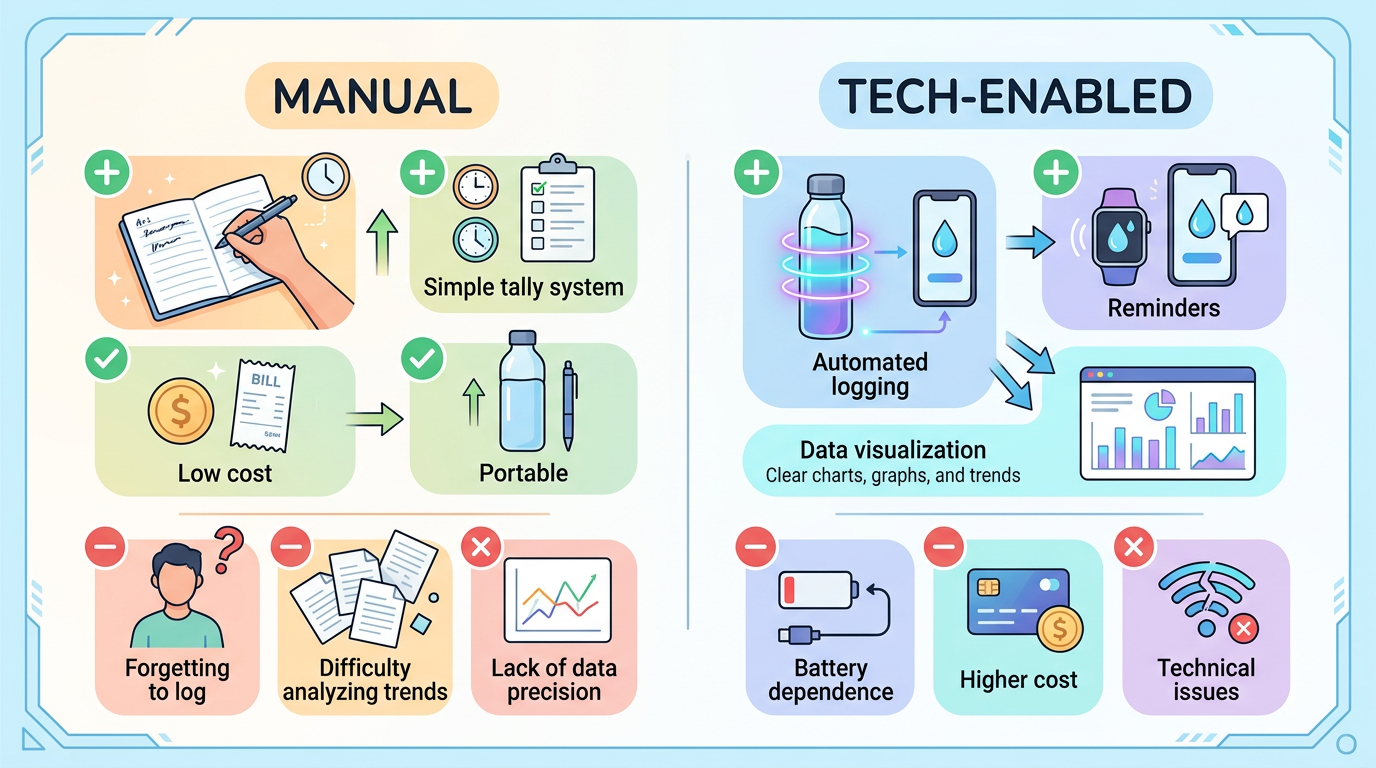
Manual Hydration Tracking typically involves jotting down water intake in a journal, using a hydration log, or simply counting glasses consumed throughout the day. This method is straightforward, cost-effective, and requires no special equipment. It encourages mindfulness by making you consciously aware of your drinking habits. However, manual tracking can be prone to forgetfulness or inaccuracies, especially during busy days, which may lead to inconsistent data and hinder your hydration best practices.
On the other hand, Tech-Enabled Hydration Tracking leverages smartphone apps, smart water bottles, or wearable devices to automatically monitor your fluid intake. These tools often provide real-time reminders, personalized hydration goals based on factors like activity level and weather, and detailed progress reports. This automation reduces the cognitive load of tracking and enhances motivation by gamifying the process. The main considerations here are the initial cost and the need to integrate new technology into your routine.
Ultimately, integrating tech-enabled hydration tracking into your wellness regimen can offer a more precise, engaging, and sustainable way to monitor daily hydration. Yet, for those who prefer simplicity and minimalism, manual methods remain a viable and effective option. Combining both approaches—such as using an app alongside occasional manual checks—can also optimize your hydration best practices for lasting wellness benefits.
More articles
Additional reading from the same editorial archive.

May 12, 2026

April 24, 2026

April 24, 2026